They’re definitely inspiring.


- 31 Posts
- 97 Comments
Joined 2 years ago
Cake day: January 3rd, 2025
You are not logged in. If you use a Fediverse account that is able to follow users, you can follow this user.


 1·29 days ago
There are many philosophies about roleplaying, but generally, it’s a collaborative storytelling exercise.
The GM presents a situation, it’s up to the players to figure a way out. That means the GM doesn’t get to judge the player’s approach, only gets to make the world react according to an internal, consistent world logic. Sounds like what you did was consistent with your character. The how you did it is harder to ascertain.
This could have broken in a couple ways:
- The GM could be preoccupied with your actions rather then the world reactions (i.e. railroading).
- You could have misread the game tone. (But then, if your character can cast spells, is a healer, and you do that, how far off can you be? And that should be easy to solve at the table, on the spot.)
- Maybe your actions could be viewed as rules lawyering. (“According to the rules, I can do this, and that’s what would happen.” kind of attitude.)
I’m guessing a bit of each.
Some systems are better at allowing the GM to control tone at the table, by allowing narrative to dictate the effect and difficulty / likelihood of consequences. Some are prescriptive (think D20 and their ilk, where roll results dictate narrative). Sounds like Draw Steel is more of the second nature, which makes such conflicts more likely. And if your GM avoids confrontation, it could be they were uncomfortable dealing with that conflict.
The cause and solution to 98% of table problems is communication. Don’t leave things unsaid, even if you need to note it down to bring up after session. Use tools like Stars and Wishes to align everyone at the table after each session. And allow rulings and agreements at the table to trump rules as written.
If the table consensus then makes you not like your character anymore (“I thought I’d be able to do that, but not really”), talk to them about retiring or turning that into an NPC and creating a new one. Or perhaps you want a different game, but then you’d be leaving with clarity and without a bad taste in your mouth.
I’ve played Eco Mofos, it was interesting. Leans heavily on the punk part. The system is OK to good. Gets in your way sometimes, but it might have been everyone’s inexperience with it.
 21·2 months ago
So cool! Maybe Sharkey? And Bookwyrm.
I mean the way it got truncated makes it clickbaity.
The point is not that crunchy simulation is undesirable, but that every simulation model is an exercise in where to draw the line in what accuracy you’re losing to keep your goals achievable. OP has expressed the crunch is too much for them. “It’s okay to draw the line further away from accuracy” was the core message I was trying to convey.
I don’t necessarily want to jettison this level of crunch, as I think it’s integral to the tone the system is designed around, but fuck me if it isn’t a lot to keep track of
Allow me to disagree with the highlighted statement. A mistake old school game designers used to make is to try and reflect every fluff detail in the rules. You don’t have to differentiate an assault rifle in full auto from an SMG and in most cases, even an HMG. If you go down this route, you will need to account environmental factors, fatigue, time of day… which are also big influencers. But we don’t, because that’s what randomizers are for. Just bundle the difference in the randomizers.
You’ll say, correctly, “getting hit by a .50 cal is a world of difference compared to a 9mm”. That’s true. That’s fiction and setting, though. It doesn’t have to be reflected in the rules of simulating shooting the things in a game.
My advice would be to do exactly what you proposed not to: chuck the entire system. Use a generic system instead. Whatever you’re most familiar with: Cortex, Savage Worlds, Fate, GURPS…
What is your story about? If it is about handling the gear, then perhaps (perhaps!) keep the OG system. If it’s about anything else - a shared overarching plot you’ll write with the players; about how the characters react and evolve to their surroundings; about interpersonal drama; base building, you name it - use a different system.
Of the ones I listed, Savage Worlds is easily reskinned, Fate is easily tweaked, Cortex is a toolbox to get your game moving fast just the way you want it to feel, and GURPS probably already has a module for you to use. If you want to bounce ideas with other people adapting to Fate and Cortex, they both have very active Discord communities (I know, information silo, but that’s where the authors hang out). Good luck!
P.S.: I just remembered Cepheus (a Traveller retrocolone) has the acclaimed Modern War from Zozer Games. I have played their Hostile (Alien universe RPG) and the ruleset is essentially the same. There is some crunch, but easier than D20: https://www.zozergames.com/modern-war.html
It looks like it and Delta Green lead sales on military RPGs: https://www.drivethrurpg.com/en/browse?genre=320-military
First line becomes the title, so keep that in mind. Your title looks atrociously clickbaity now (“Bundle of Holding are currently not offering one, not offering two, not even offering three”), which might explain the downvote I see.
Short: yes, it would sell. Do it!
Long: This is the format found in the then very popular “Volo’s guide to…” AD&D sourcebooks. They were prefaced and annotated here and there by Elminster, the scholar mage extraordinaire of the setting. The idea was that this Marco Volo character documented tales of places, creatures, magicks, etc. not only without rigor, but prone to exaggerations, inaccuracies, and outright fabrications. Like fake travelogues of the 19th century, just looking for a quick buck from naive readers.
It was popular for a few reasons:
- very well written, fun to read
- delicious, flavorful prose that added color to the world along with data
- establishes an unreliable narrator, which encouraged GM’s to deviate freely from written lore
 1·3 months ago
É um jogo “parado”. Xadrez, etc., sempre foram considerados esportes de nerd. Só uma extensão do conceito.
!opensource@programming.dev might also be interested in this. Thanks for sharing!
 1·4 months ago
They are very strict on what sort of content goes there, though.
I guess Citizens of the Imperium is the spiritual successor to whatever communities existed before.
They were MY dashes much earlier than the usurper’s.
Cortex Prime. Extremely hackable, nearly impossible to break. Powerful to reinforce flavor with mechanics (which is what I think you’re going after). Simple mechanics (if you don’t go ham with the Mods).
Also might want to consider having 2 referees. The party will split, and this would keep things moving.
Mark of the Odd games (Into the Odd, Mausritter, Into the Bronze, etc.). Extremely fast character creation, the rules so light they’re almost not there, very few rolls, very deadly rolls.
 2·4 months ago
I guess. I’m positive it wasn’t showing when I posted this topic. Thanks!



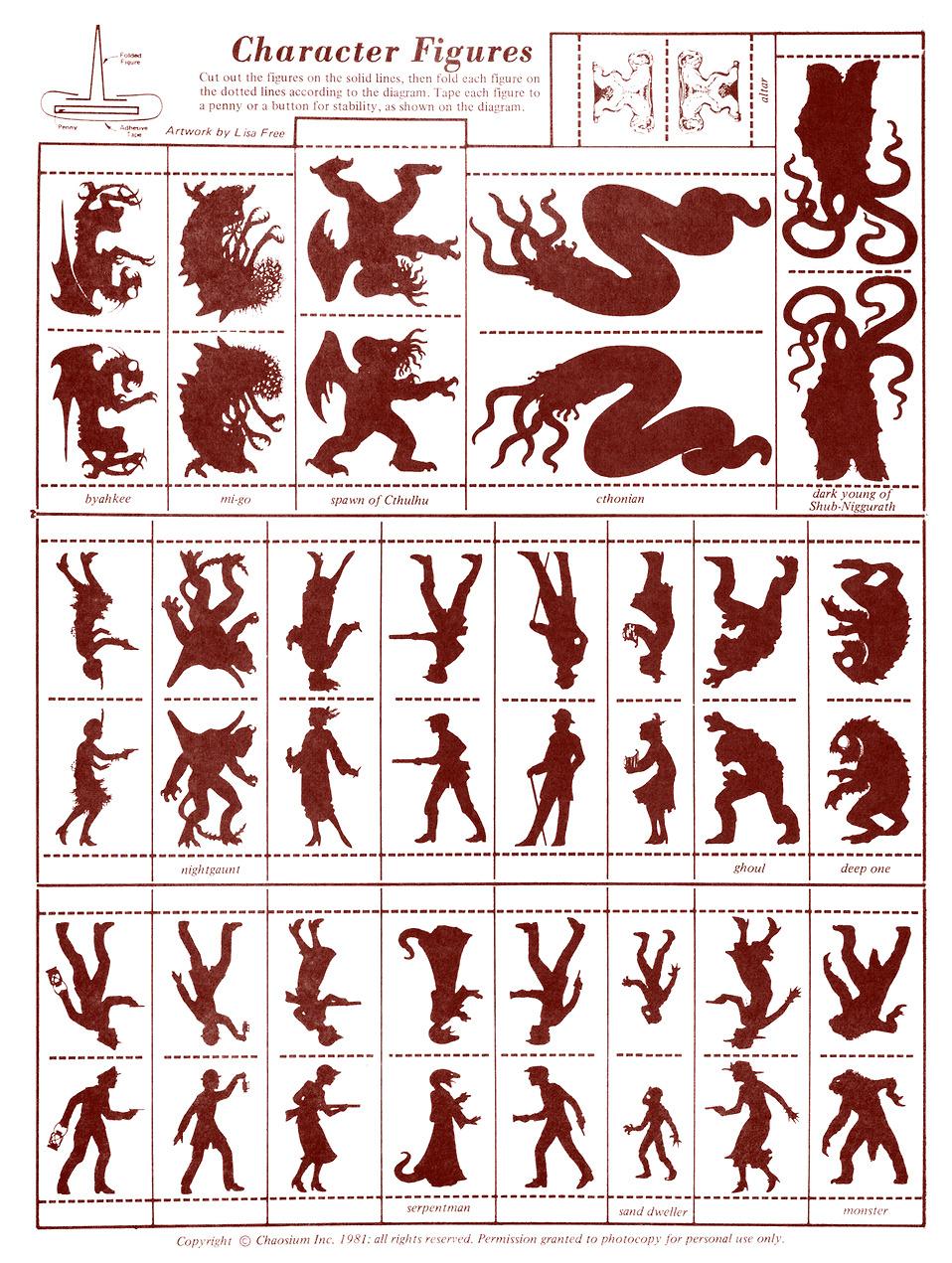


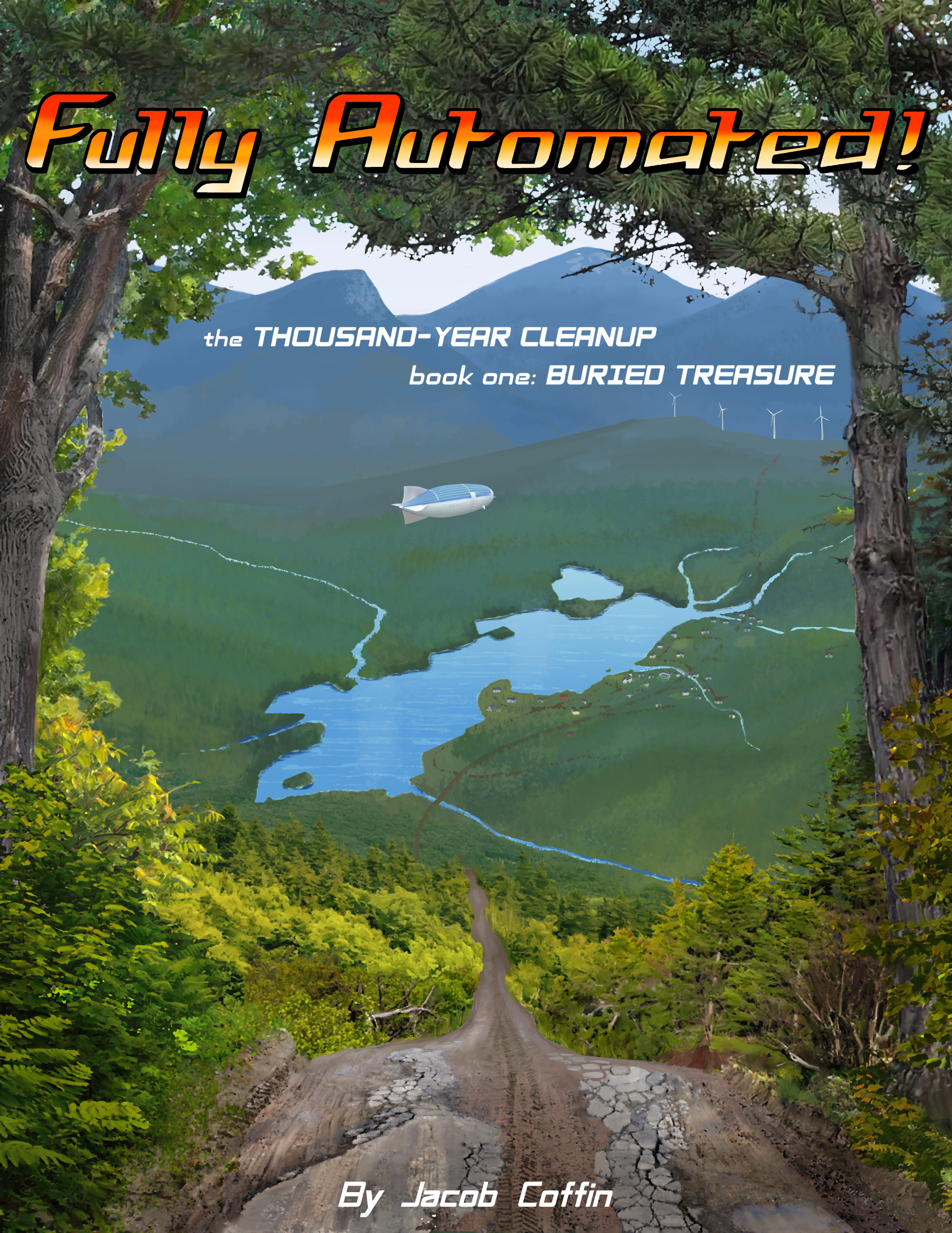

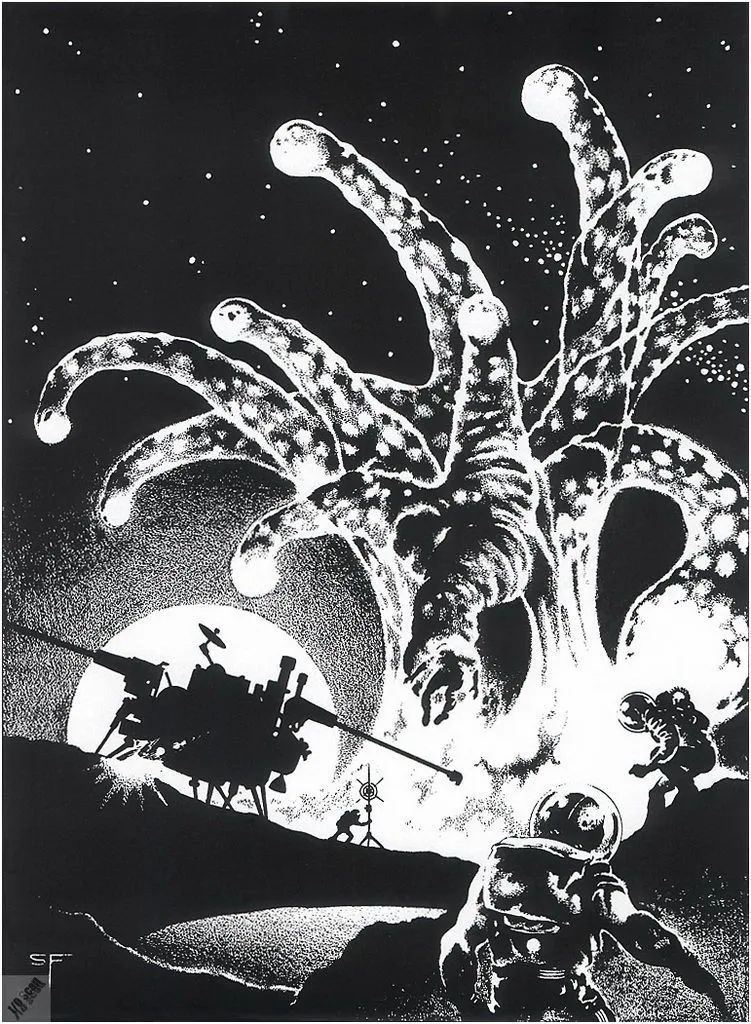
I hate the name, though. Nothing about that site is a Wiki. Call it TTRPG Catalog, Folio, whatever. If there’s no way to directly edit anything, it’s not a wiki. (And no, I don’t think a wiki would be a good idea for a website of this kind.)