

formerly /u/squirrelrampage on Reddit
- 358 Posts
- 113 Comments
Joined 3 years ago
Cake day: June 16th, 2023
You are not logged in. If you use a Fediverse account that is able to follow users, you can follow this user.

 25·27 days ago
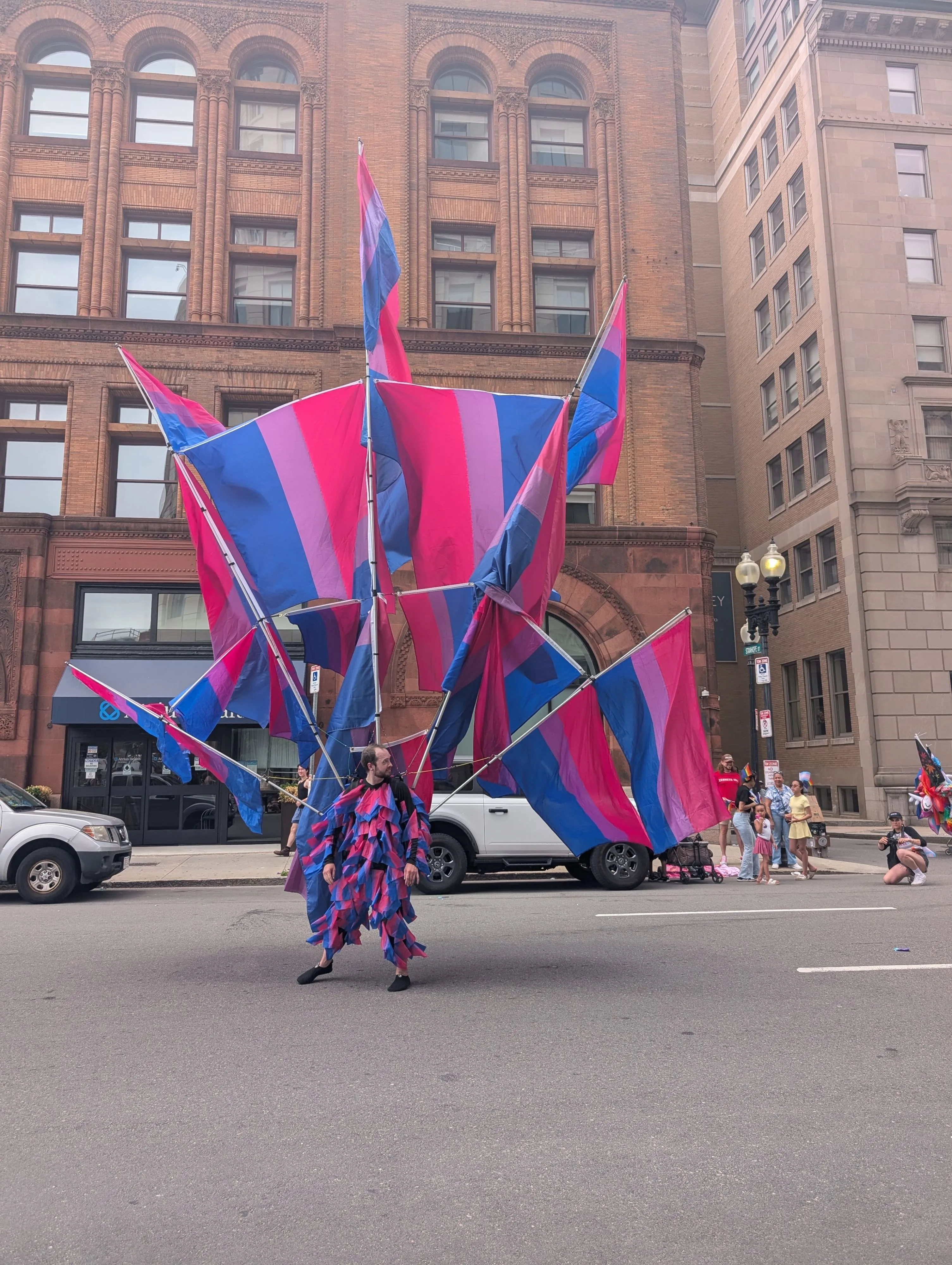
Yes, but when his health bar is depleted, new music sets in and he transforms into this guy…
 30·27 days ago
Not so fun fact: There is an actual condition which leads to the inability to recognize objects, called visual agnosia. People who suffer from it often adapt by analyzing the abstract shapes around them in order to cope.
 1783·1 month ago
The response from the KDE’s social media team to Gerard:
Please note that a random talk in Akademy does not in any way mean an endorsement from the community. Neither speaker have contributed to the project in many, many years, and it is ridiculous and even deceitful to imply that this is in any way an official strategy that KDE is going to pursue.
I think the two things we mentioned are not only not excluding each other, but rather cumulative: Spices were not common before the wars and the wars further increased their scarcity for most people, essentially preventing them from becoming part of the popular cuisine in a time period when other European nations became increasingly accustomed to using them.
I know that it’s mostly a joke, yet it is worth mentioning that those valuable spices were exclusively used by the rich and wealthy. Ordinary people and their food did not benefit from the spice trade at all. If you delve a little bit into culinary history and find out what the aristocrats did with (for example) extremely rare and precious nutmeg the British Empire fought wars over, you want to dig up their bones, revive them, just so that you can kill them again.
 6·1 month ago
Yes, it may seem somewhat counter-intuitive, but historically swamps have exceptionally fertile grounds, while offering protection against possible raiders and invaders. Despite malaria and other risks, humans have often thrived in swampy areas. They could sustain a large population which then founded a powerful kingdom/empire.
 50·2 months ago
“I have some of everybody in my own immediate family and in my circle of employees. I’ve got transgender people. I’ve got gays. I’ve got lesbians. I’ve got drunks. I’ve got drug addicts — all within my own family. I know and love them all, and I do not judge.”
“And I just see how broken-hearted they get over certain things and I know how real they are. I know how important this is to them. That’s who they are. They cannot help that any more than I can help being Dolly Parton, you know, the way people know me. If there’s something to be judged, that is God’s business. But we are all God’s children and how we are is who we are.”
From this interview in 2023.
May the earth rest lightly upon her.
 63·2 months ago
The difference between non-ill and ill people is: “feel like that sometimes” VS “feel like that all of the time”
It is exactly the same for physical illnesses: Everyone has a tummy ache once in a while. You definitely need medical help when your stomach does not stop hurting.
And - of course - there are plenty of toxic people who will also belittle that.

I don’t know. Do you expect to get some great reward out of this?

Yeah, he lives there with is “uncle” and there is only one bed. I don’t want to make any assumptions, but maybe someone should call CPS anyway…

Right. Lovingly quoting song lyrics to a special someone? That’s my policy of truth.

Yeah, or maybe something from Albrecht Dürer; even Spitzweg’s “The poor poet” would make more sense.

Germany is Gabriel von Max, Clairvoyant Veritas
A baffling choice. Von Max is anything but a well-known painter.
I had to do a reverse image search myself, but I have an answer: Laura Palmer and Bob from “Twin Peaks” (or rather their actors).
“AI gives wealth access to skill while denying skill access to wealth.”








Barbara Loden is a criminally under-appreciated actress. If possible, I highly recommend tracking down the only film she directed (and starred in), “Wanda”. It is a gut punch of a movie that stands out as a singular feat in US’ independent cinema and shows how much Loden was capable to complete disappear inside a role.




 84·3 months ago
I will just leave this article from 5 days ago here:
Ubisoft Barcelona Celebrates Successful Assassin’s Creed Black Flag Resynced Launch With Layoffs
Despite Assassin’s Creed Black Flag Resynced being considered a successful launch by Ubisoft, 51 employees at Ubisoft Barcelona, many of whom worked on the game, will be celebrating its launch by seeking new employment.
Announced on June 10, 51 employees at Ubisoft Barcelona face layoffs, with those who spoke to Insider Gaming saying the layoffs felt premeditated and were going to happen no matter how successful Assassin’s Creed Black Flag Resynced was.



.jpeg)

Yes, and - of course - the launcher is vibe-coded too. They even proudly say so on the announcement page: